January 9, 2026
Choosing the right door system for a commercial property is about far more than access—it directly affects workflow, safety, energy efficiency, and long-term operating costs. For many business owners, roll up door installation offers a practical solution that balances durability with space efficiency. When planned correctly, it can support daily operations without becoming a maintenance headache. This guide walks through what business owners need to know, from understanding door options to preparing for a smooth installation process that aligns with real-world commercial demands.
Understanding Roll-Up Doors
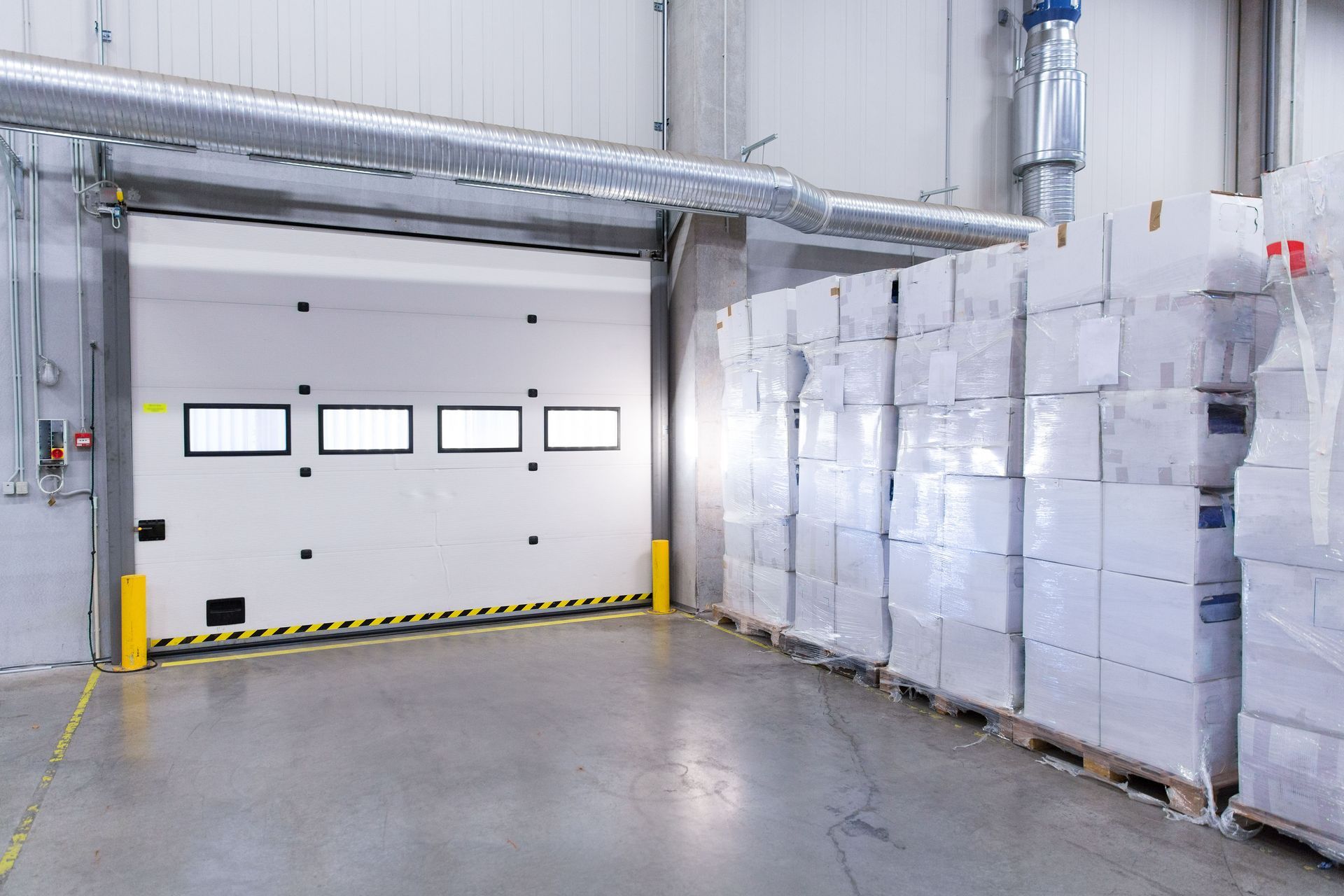
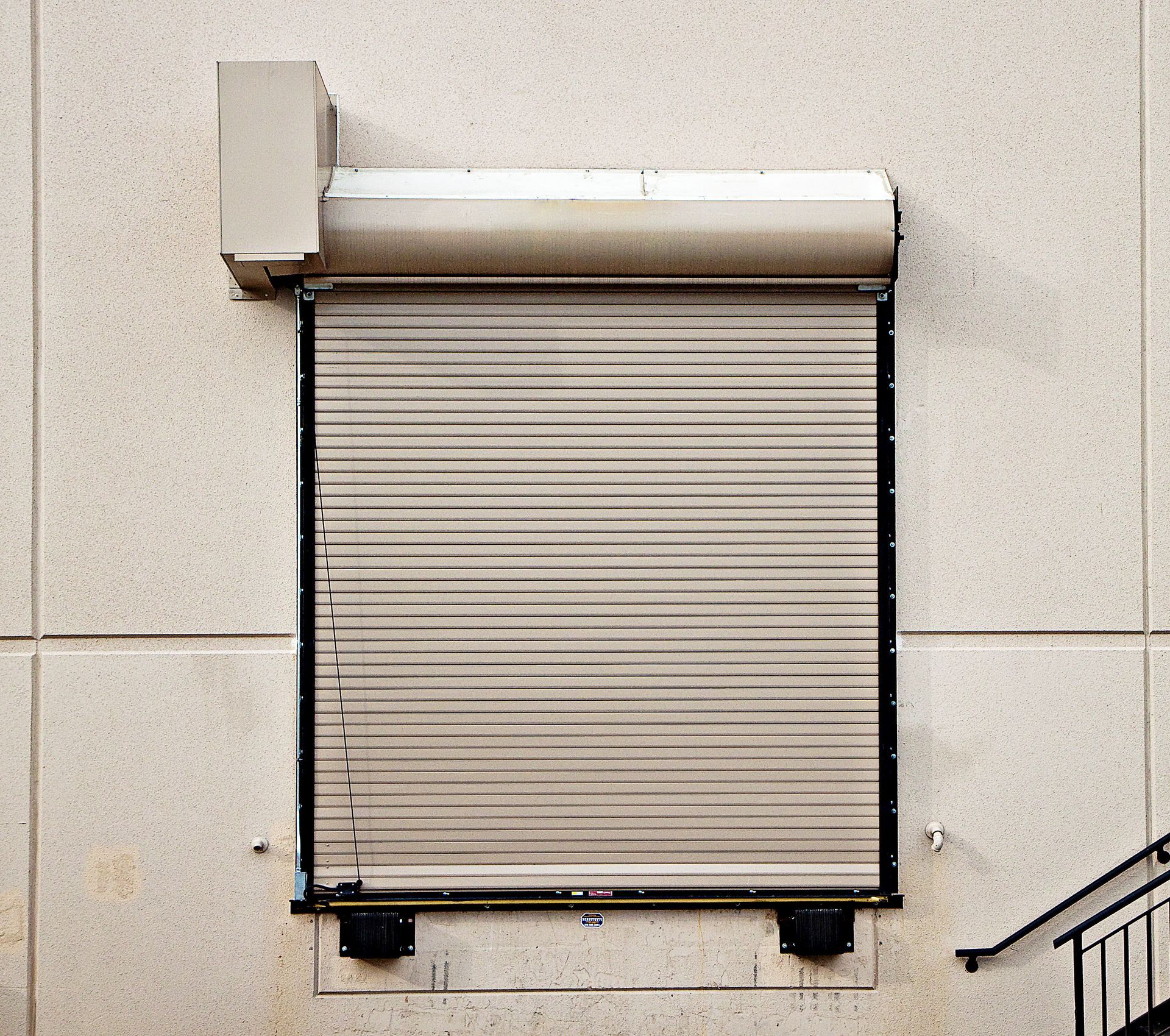
Roll-up doors are a staple in commercial and industrial environments because they are designed to work hard without demanding constant attention. Unlike traditional swinging or sliding doors, these systems roll vertically into a compact coil above the opening. That design saves valuable floor and wall space, which is especially important in warehouses, loading docks, and service bays where every square foot matters. Businesses that choose roll up door installation often do so because it supports efficient movement without interfering with surrounding operations.
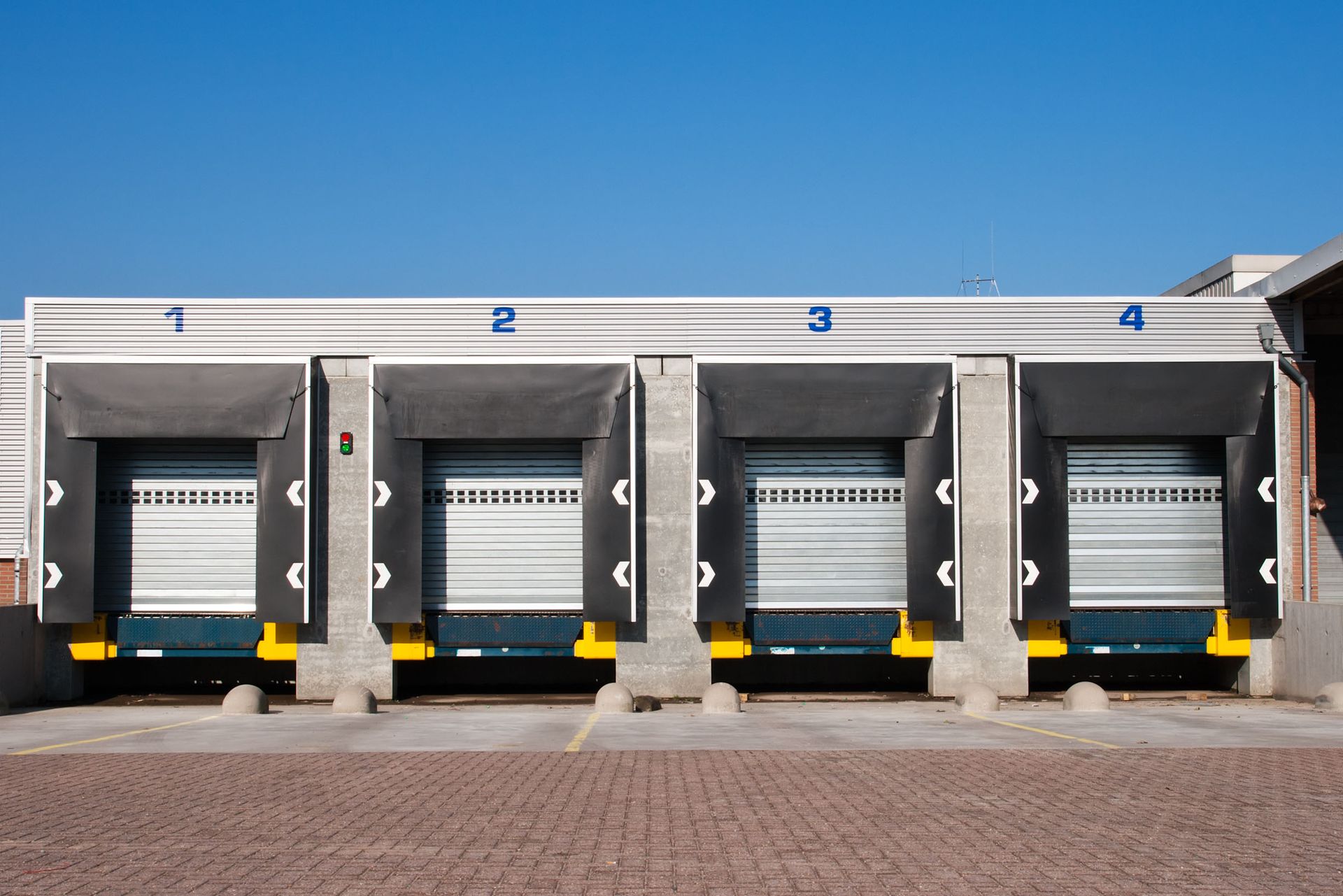
From a performance standpoint, roll-up doors are built for repetition. They are engineered to open and close multiple times a day while maintaining consistent alignment and smooth motion. This reliability makes them well suited for environments where downtime is costly. According to Activant Capital, the U.S. boasts over 10 million loading docks, a figure that underscores just how critical dependable access systems are across industries that rely on shipping, storage, and logistics.
Exploring Available Roll-Up Door Types
Selecting the right door starts with understanding material and design options. Steel roll-up doors are among the most common choices due to their strength and resistance to forced entry. They are frequently used in high-security environments or areas exposed to heavy use. Aluminum doors offer a lighter alternative and perform well in coastal or humid conditions where corrosion resistance is a priority. Businesses planning roll up door installation must weigh environmental exposure alongside daily operational demands.
Beyond materials, there are functional variations that address specific needs. Insulated roll-up doors help regulate interior temperatures and reduce noise transfer, making them useful for climate-controlled facilities. Fire-rated doors are designed to meet safety codes and automatically close during emergencies, adding an extra layer of protection. High-speed doors are ideal for busy facilities where minimizing open-door time improves productivity and reduces energy loss.
Identifying Common Commercial Applications
Roll-up doors appear in a wide range of commercial settings because of their adaptability. Warehouses rely on them for loading docks, where quick access and secure closure are essential for daily logistics. Manufacturing facilities use them to separate production zones or protect equipment without disrupting workflow. Retail operations often install them as storefront security solutions that disappear neatly during business hours. In each case, roll up door installation supports efficiency without sacrificing durability.
Their use has also expanded into less traditional spaces. Event venues and exhibition halls employ roll-up doors as flexible partitions that can reconfigure large spaces quickly. Sports facilities use them to control access to courts or storage areas. Even some modern office designs incorporate roll-up doors to create adaptable meeting spaces, demonstrating how functional systems can complement evolving architectural trends.
Comparing Benefits Over Other Door Systems
One of the biggest advantages of roll-up doors is space efficiency. Because they retract vertically, they eliminate the clearance requirements of swing doors and the track space of sliding systems. This allows businesses to maximize usable interior space and maintain clear pathways for equipment and personnel. For companies evaluating roll up door installation, this spatial advantage often becomes a deciding factor.
Durability is another key benefit. Roll-up doors are built to withstand frequent use, weather exposure, and minor impacts that would quickly degrade lighter door systems. Their design also allows for integration with security features such as access controls, alarms, and monitoring systems. Over time, the combination of low maintenance requirements and strong performance makes roll-up doors a cost-effective option for many commercial properties.
Evaluating Key Considerations Before Installation
Preparation begins with understanding how the door will be used. Door size, opening frequency, and traffic volume all influence which model is most appropriate. Environmental factors such as wind exposure, moisture levels, and temperature swings also play a role in material selection. Businesses planning roll up door installation benefit from addressing these variables early, as they directly affect long-term performance and reliability.
Safety and compliance considerations are equally important. Commercial doors must meet local building codes and safety standards, which may dictate specific features or materials. Budgeting should also account for long-term value, not just upfront cost. Energy savings, reduced maintenance, and improved security can all contribute to a strong return on investment when the right system is chosen.
Preparing for Installation
A successful project starts with a detailed site assessment. This process evaluates structural support, clearance requirements, and potential obstructions that could interfere with operation. Ceiling height, wall integrity, and surrounding equipment placement all influence installation planning. When done thoroughly, preparation reduces surprises and keeps roll up door installation on schedule.
Budgeting and scheduling are closely linked during this phase. Businesses should plan for material costs, labor, permits, and potential adjustments uncovered during assessment. Coordinating installation timing with daily operations minimizes disruption, especially in facilities that operate on tight schedules. Choosing a contractor with experience in commercial door systems can simplify planning and improve overall efficiency.
Understanding the Installation Process
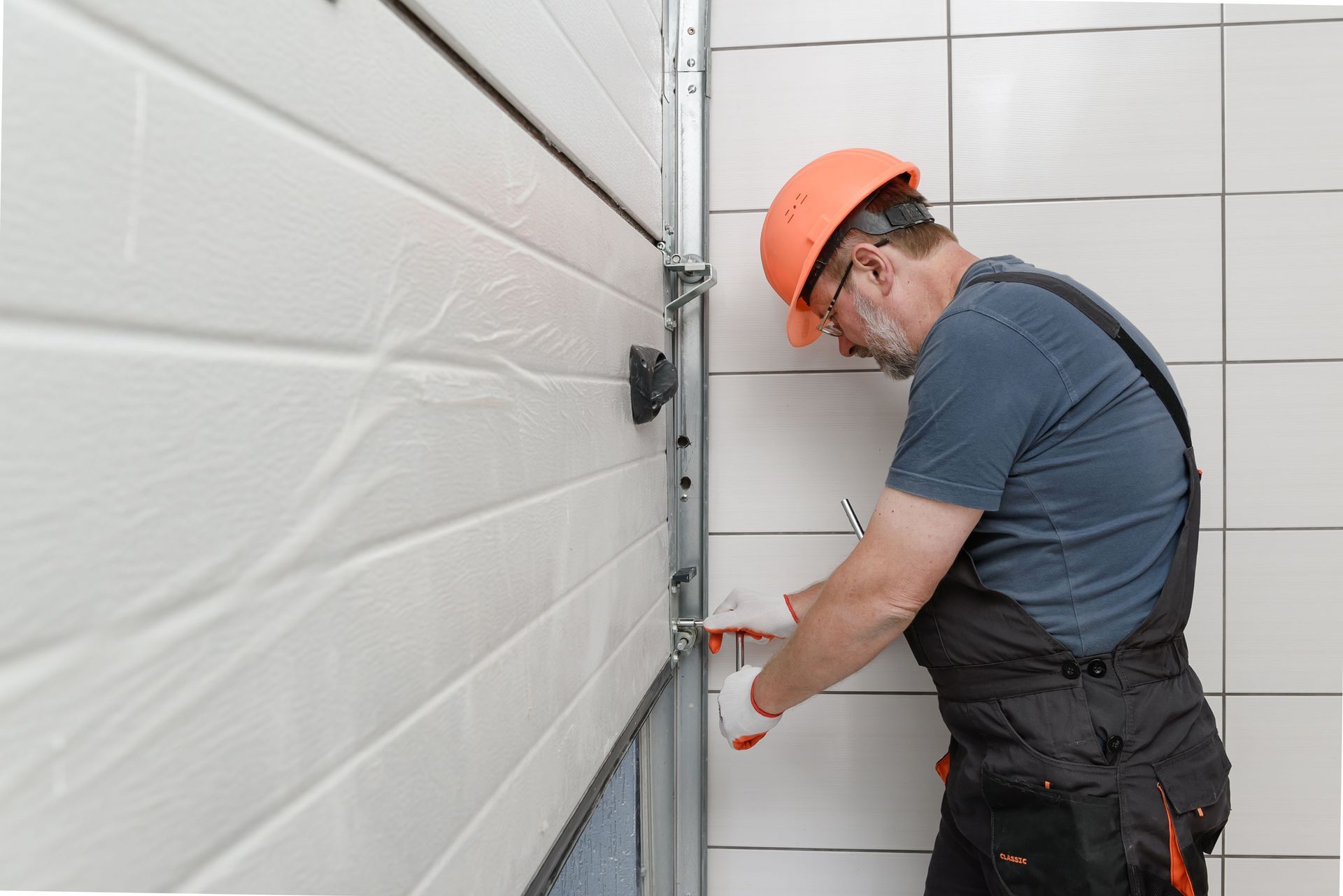
The installation process itself follows a structured sequence to ensure proper alignment and safe operation. It begins with confirming measurements and preparing the opening to support mounting hardware. Support brackets and guides are secured first, providing the framework for the rolling mechanism. Once the barrel and curtain are installed, technicians test movement and make fine adjustments. For many businesses, roll up door installation is completed efficiently when all preparatory steps are handled correctly.
Safety checks are an integral part of the process. Installers verify that safety features function properly and that the door operates smoothly under normal use. Final inspections ensure compliance with local codes and manufacturer specifications. Clear communication between contractors and business owners throughout installation helps address questions quickly and prevents misunderstandings.
Managing Scheduling and Long-Term Performance
Effective scheduling keeps projects aligned with business needs. Installation timelines should include buffer periods for inspections or unexpected delays. Clear milestones help track progress and maintain accountability. Once installed, ongoing performance depends on routine inspections and basic maintenance practices that extend the door’s lifespan.
Businesses that prioritize preventive care often experience fewer disruptions. Lubrication, visual inspections, and prompt attention to minor issues help maintain reliable operation. When maintenance is paired with professional service support,
roll up door installation continues to deliver value well beyond the initial project.
At American Welding, Fabrication, and Dockworks, we understand that investing in the right door system is about protecting your operations, your people, and your long-term efficiency. Our team brings hands-on experience with dock and door repairs, roll-up and slat doors, weather guarding, and gate and fence repairs, allowing us to approach each project with a practical, solutions-focused mindset. Based in La Verne, CA, we work closely with business owners to assess their needs, explain options clearly, and deliver dependable results without unnecessary delays. We also offer free same-day estimates, making it easier to take the first step with confidence. When you’re ready to move forward with a door solution built to perform, we’re ready to help. Reach out to American Welding, Fabrication, and Dockworks to get started.