February 21, 2026
In commercial and industrial environments, overhead doors are essential components that directly affect security, workflow efficiency, and day-to-day operations. Whether managing vehicle access, safeguarding equipment, or supporting temperature control, a properly installed overhead door can significantly improve how a facility functions. However, a successful overhead door installation does not begin on installation day—it starts with careful preparation that ensures the building, infrastructure, and personnel are fully ready for the system being installed.
From evaluating the physical installation site to selecting the right door design and preparing supporting systems, every step plays a role in long-term performance and safety. Facility managers who take the time to plan ahead can reduce delays, avoid costly modifications, and ensure their door integrates seamlessly into existing operations. This article outlines the most important steps to prepare your facility for overhead door installation, helping you move forward with confidence and clarity.
Assessing the Physical Installation Site
A thorough site assessment is the foundation of a successful overhead door installation. This process begins with accurate measurements of the door opening, surrounding wall space, ceiling height, and available depth. Precision is critical, as even small measurement errors can lead to improper fit, operational issues, or the need for costly adjustments. Proper measurements ensure the door tracks, panels, and hardware align correctly and operate smoothly.
Beyond dimensions, the structural integrity of the surrounding walls, ceiling, and flooring must be evaluated. Overhead doors are heavier than standard doors and are subject to repeated motion and load stress. If the supporting structure shows signs of deterioration, cracking, or insufficient reinforcement, those issues must be resolved before installation. Addressing structural weaknesses early protects both the door system and the people who use it daily.
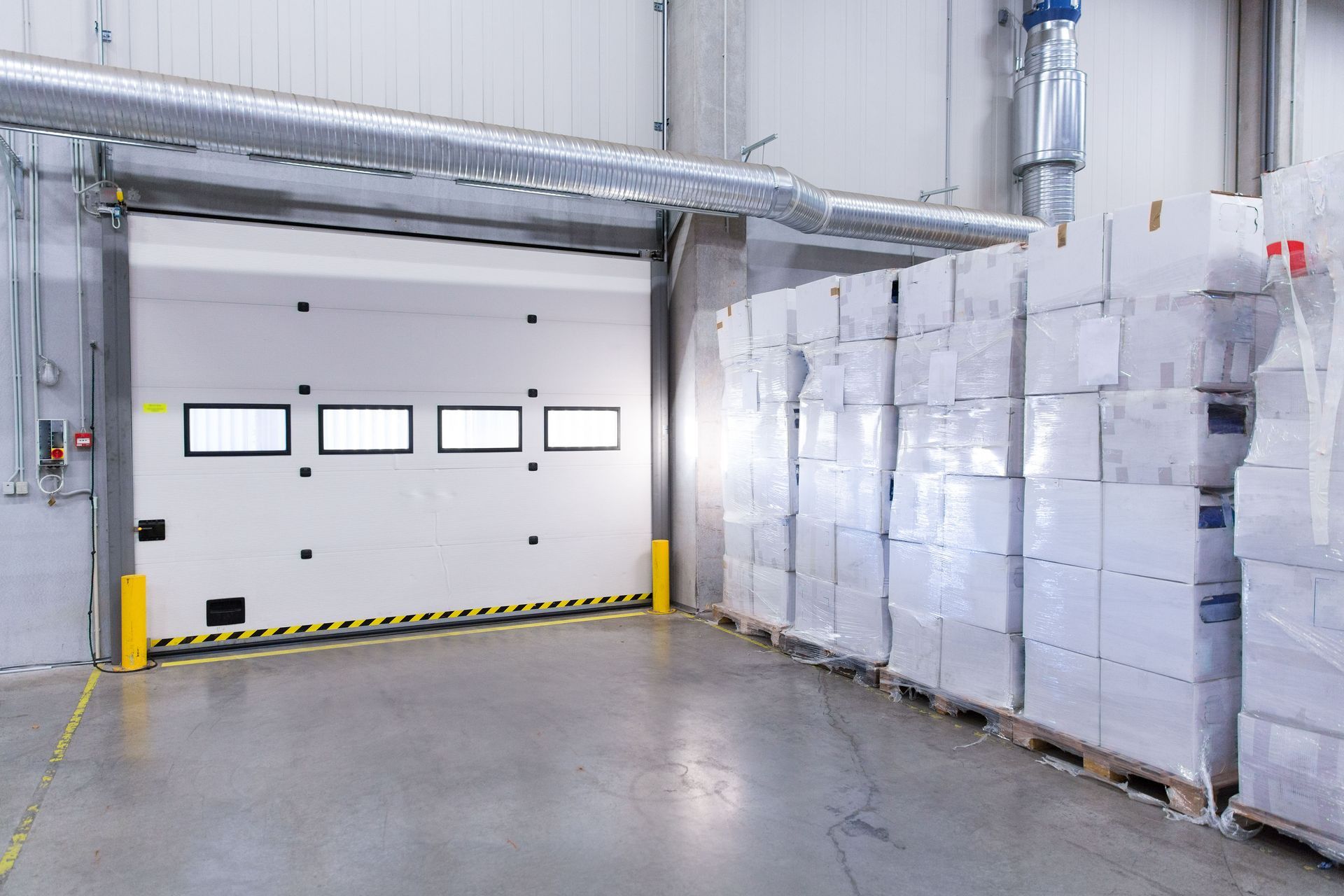
Another essential component of site assessment is identifying potential obstructions. Pipes, ductwork, lighting fixtures, and support beams can interfere with door movement if not accounted for. Evaluating the door’s full range of motion helps prevent conflicts that could compromise performance or safety. Preparing the physical site thoroughly ensures that overhead door installation proceeds without unexpected complications.
Ensuring Code Compliance and Accessibility
Compliance with local building codes and regulations is a non-negotiable aspect of overhead door installation. These codes exist to protect occupants, property, and the surrounding environment. Requirements often address load capacities, fire safety standards, insulation values, and accessibility considerations. Failing to comply can result in fines, failed inspections, or forced rework after installation.
Accessibility is equally important, both during and after the installation process. The installation crew must be able to access the site easily with tools, equipment, and door components. Clear pathways, stable flooring, and designated staging areas help prevent delays and accidents. Accessibility planning also ensures that future inspections, repairs, or upgrades can be completed efficiently without disrupting facility operations.
Facilities that take compliance and accessibility seriously benefit from smoother project timelines and fewer legal or operational risks. Working with experienced professionals who understand regional requirements simplifies this process and ensures the overhead door installation meets all necessary standards from day one.
Selecting the Right Overhead Door for Your Facility
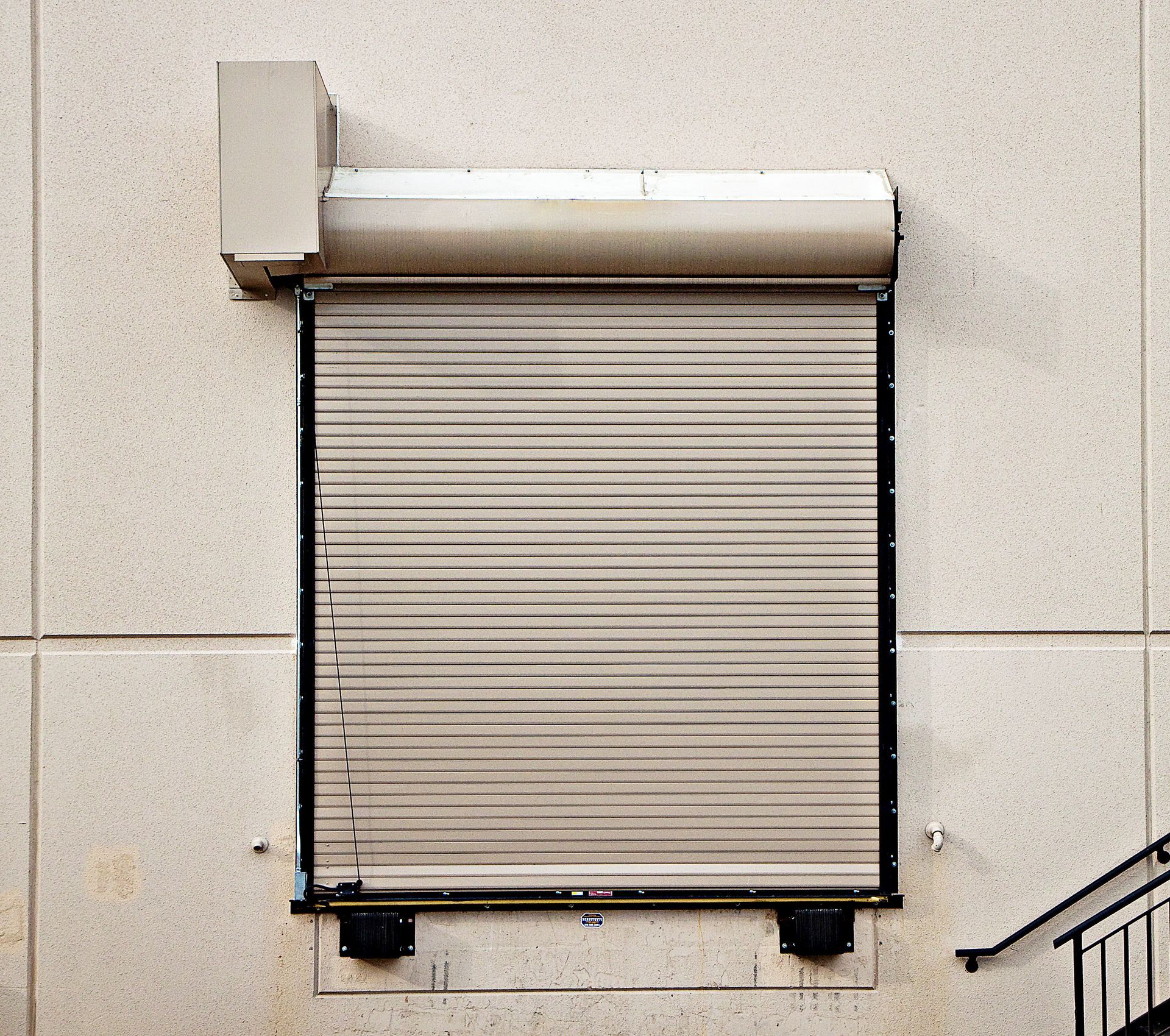
Choosing the right door is one of the most impactful decisions in the overhead door installation process. Material selection plays a significant role in durability, maintenance, and performance. Steel doors are favored in industrial environments for their strength and security, while aluminum doors offer corrosion resistance and lighter weight. Wood and fiberglass options may be selected for aesthetic or specialized applications, depending on the facility’s needs.
Insulation is another critical factor, especially for facilities that require temperature control or energy efficiency. Insulated doors help regulate interior conditions, reduce energy loss, and create a more comfortable working environment. High R-value doors are particularly beneficial in regions with extreme temperatures or facilities housing sensitive equipment or materials.
Security features should also align with the facility’s risk profile. Reinforced panels, heavy-duty locking systems, and compatibility with electronic access controls can significantly enhance protection. It is worth noting that, according to The Natural Handyman, the overhead door was first invented in 1921 by C.G. Johnson, marking a major advancement in secure and efficient facility access. Since then, overhead door technology has continued to evolve, offering a wide range of customization options to meet modern demands.
Preparing Electrical and Mechanical Infrastructure
For facilities opting for automated systems, electrical readiness is essential to successful overhead door installation. Automatic and remote-operated doors require reliable power sources and properly rated circuits. Before installation begins, the existing electrical system should be evaluated to confirm it can handle the added load without risk of overload or failure.
Electrical preparation may include installing dedicated circuits, upgrading panels, or adding backup power options such as battery systems. Proper grounding and cable management are also critical to ensure safety and prevent electrical faults. Coordinating with licensed electricians helps ensure that all electrical components are compliant and integrated seamlessly.
Mechanical considerations are equally important. The door’s operation mechanism—manual, automatic, or remote-controlled—must align with the facility’s usage patterns. High-traffic environments often benefit from automated systems that improve efficiency and reduce wear. Preparing both electrical and mechanical infrastructure in advance minimizes downtime and ensures reliable operation after overhead door installation is complete.
Reinforcing Structural Elements and Clearing the Work Area
Structural reinforcement is often required to support the weight and motion of an overhead door system. Depending on the door size and material, additional framing, steel supports, or brackets may be necessary. These reinforcements distribute loads evenly and reduce stress on the building over time, contributing to safer and more durable operation.
Clearing the installation area is another critical preparation step. Debris, equipment, vehicles, and temporary structures should be removed from the work zone before installation day. A clean, organized space allows technicians to work efficiently and reduces the risk of accidents or damage to materials.
Clear communication with staff is essential, especially in active facilities. Employees should be informed of temporary access restrictions or workflow changes during overhead door installation. Proper planning and organization help the installation process move forward smoothly while maintaining a safe environment for everyone involved.
Establishing Safety Protocols and Post-Installation Readiness
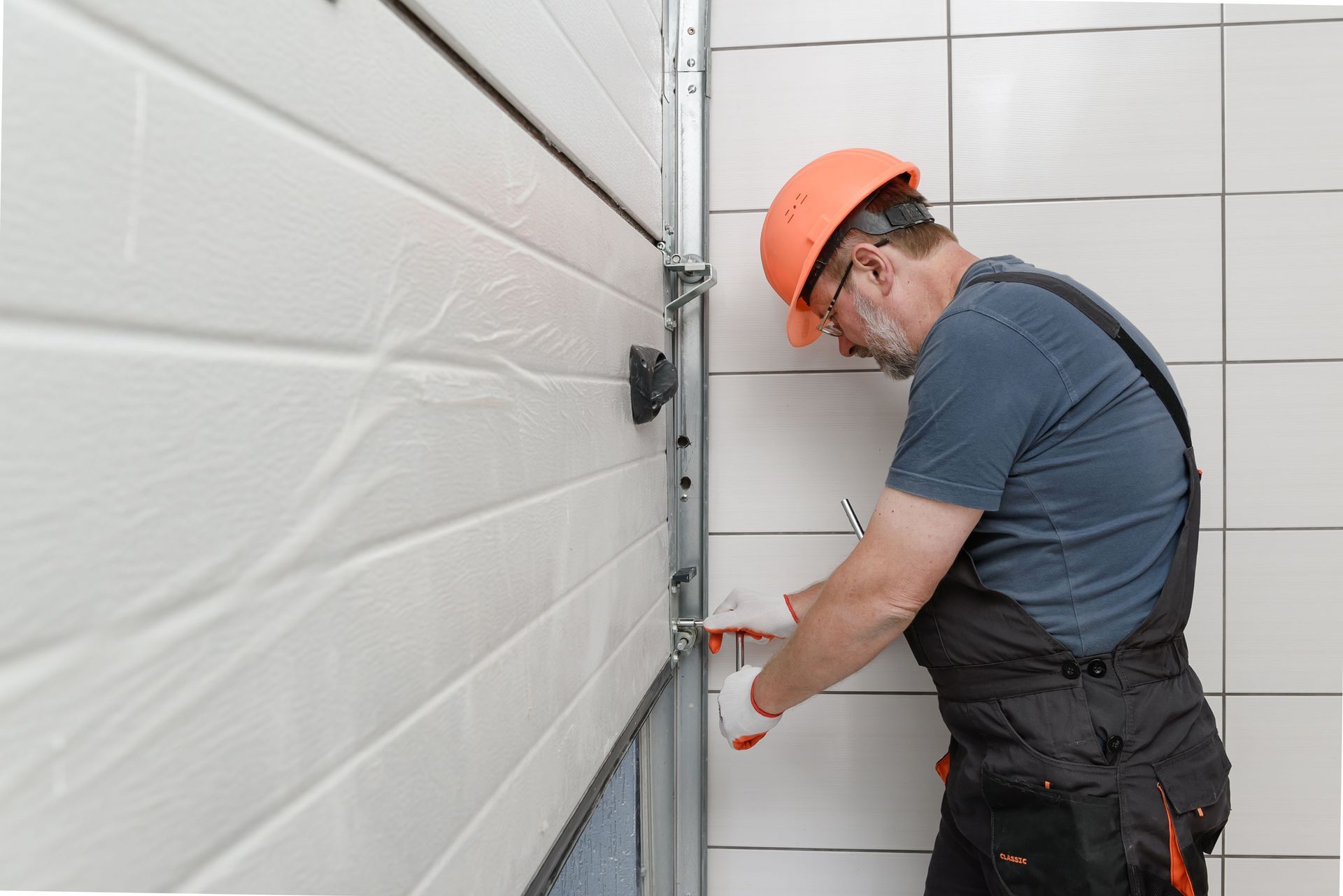
Safety protocols protect both installation crews and facility personnel during overhead door installation. A comprehensive safety plan should outline required protective equipment, hazard awareness, and safe work practices. Limiting access to the installation area and clearly marking restricted zones helps prevent accidents.
Post-installation readiness is just as important as preparation. Once the door is installed, staff should be trained on proper operation, safety features, and emergency procedures. Understanding how to use the door correctly reduces wear and prevents misuse that could lead to damage or injury.
Planning for ongoing maintenance ensures the door continues to perform as intended. Regular inspections, lubrication, and adjustments extend the lifespan of the system and help identify minor issues before they become major problems. Facilities that prioritize safety and maintenance get the most value from their overhead door installation investment.
Preparing a facility for overhead door installation is a strategic process that extends well beyond choosing a door model. Proper site evaluation, structural readiness, electrical preparation, and safety planning all contribute to a smoother installation and more reliable long-term performance. Facilities that invest time in preparation reduce the risk of operational disruptions, improve workplace safety, and protect their investment over time. Just as important, thoughtful preparation ensures the door system aligns with daily workflows and future growth needs. When every detail is addressed in advance, overhead door installation becomes a seamless upgrade rather than a costly interruption—partner with American Welding, Fabrication, and Dockworks to ensure your project is completed with precision, reliability, and lasting value.